

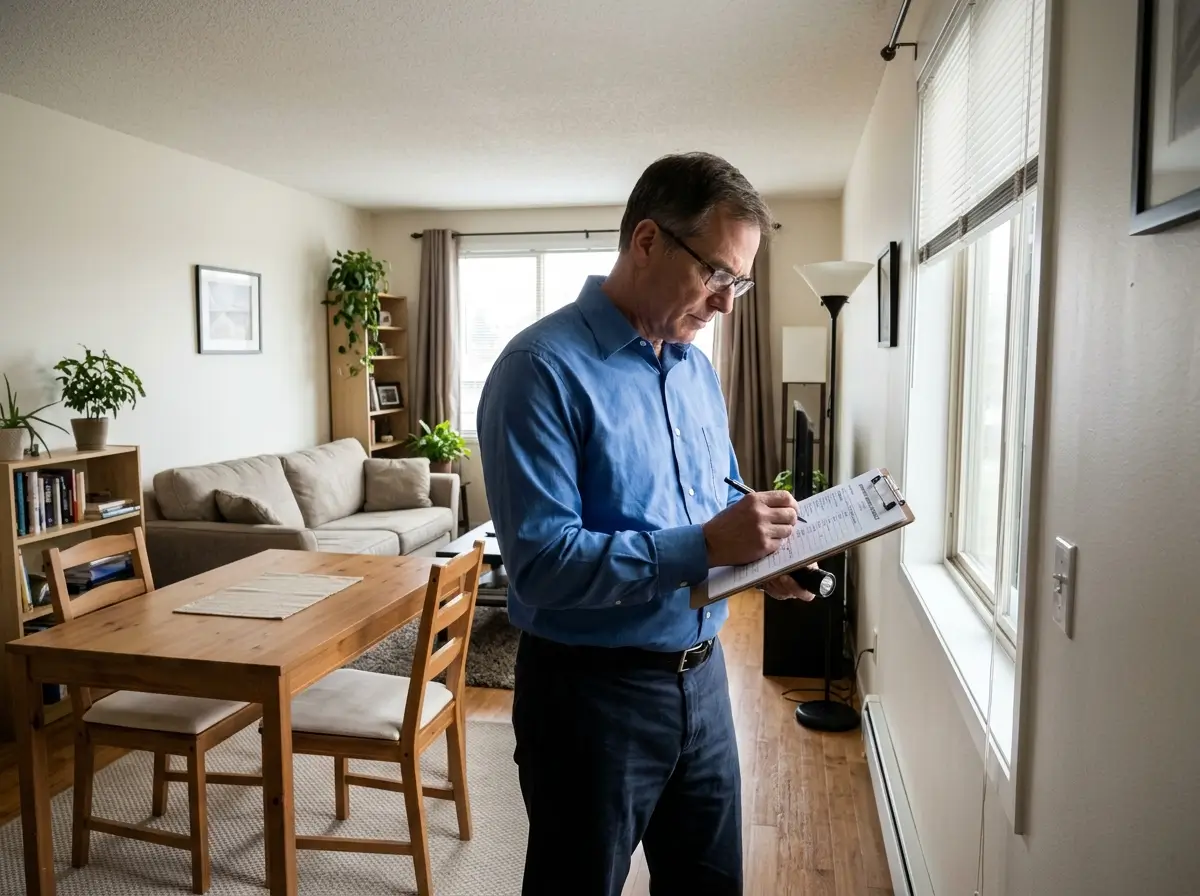
A rental property is one of the largest assets you can own, and protecting it is a part of your job as both the landlord and the property owner. One way you can do that is through regular inspections, the same way you would schedule an appointment with your doctor every now and then to make sure you’re in good health.
Done well, inspections can build trust. Done poorly, you can strain relationships with your tenants and lead to legal troubles. Here’s how to approach inspections with the right timing, preparation, and professionalism.
Key Highlights:
Know the four inspection types. Move-in, routine, drive-by, and move-out inspections each serve a different purpose, and together they cover the full tenancy.
Document everything. Timestamped photos, videos, and signed checklists are your best protection in a deposit or legal dispute.
Follow the law first. Check your local and state landlord-tenant rules, and if none apply, give at least 24 to 48 hours' notice before entering.
Use a consistent checklist. Reviewing the same items every time keeps inspections thorough and fair, and it makes changes over time easy to spot.
Stay professional. Focus on the property, not the tenant's belongings or lifestyle, and welcome any maintenance requests they raise.
When To Conduct Inspections
Most landlords rely on 4 types of inspections, and each has its own purpose.
Move-In Inspection
Conduct this before a tenant occupies the rental unit or property, preferably with them present. Walk through every room and note existing damage. Take photos and videos for reference, and make sure you have a checklist to avoid missing key areas. Once inspections are finished, have the tenant sign the completed inspection checklist. This baseline ultimately protects both parties by establishing what condition the property is in on day one.
Routine Inspection
These typically happen semi-annually or quarterly for most residential properties. While quarterly visits may seem excessive to some landlords, it gives issues a smaller window to worsen. You can schedule them before seasons change so you can prepare the property for extreme weather. For example, ensuring that the cooling units are working properly before summer begins can reduce maintenance calls during inconvenient times.
Drive-By Inspection
A quick look at the exterior of your property is the quickest way to check your property and requires no entry. Check the lawn, roof, gutters, parking areas, and any signs of unauthorized occupants or vehicles. Doing this monthly or quarterly helps you notice exterior problems early.
Move-Out Inspection
Schedule this after a tenant has removed their belongings. This is where your move-in inspection checklist comes in handy, since you can use it to compare damages. Make sure you separate normal wear and tear from actual damages. This comparison is the foundation of any fair deduction from the security deposit.
Learning the Legal Requirements
Inspection rules can vary by location, so it’s critical to check your local and state landlord-tenant laws before you schedule anything. If there are no legal requirements, the polite thing to do is to provide at least 24 to 48 hours' notice before entering the premises. This shows you respect your tenant’s privacy and gives them time to prepare.
Your entry should be scheduled during convenient hours. If you’re not sure when that is, you can ask your tenants what their preferred schedules are so you can coordinate accordingly, especially if you have multiple rental units. Additionally, your lease should also spell out your inspection rights and the notice you will give.
How To Conduct an Effective Inspection
As mentioned before, there’s a right and wrong way to conduct inspections. Here’s what you should do:
Prepare in Advance
Send written notice well within the required period, and consider including a short checklist so tenants know what you will look at. Ask the tenant when a convenient time for them is, which will help you coordinate better if you have more than one renter.
Use a Consistent Checklist
Having an established checklist allows you to be thorough and fair. This typically includes:
Smoke and carbon monoxide detectors: Working with fresh batteries
Plumbing systems: Leaks under sinks, water pressure, signs of moisture
Electrical systems: Outlets, switches, fixtures, visible wiring, and condition of the panel
HVAC systems: Filters, thermostat function, and unusual noises
Walls, ceilings, and floors: Cracks, stains, scratches, or damage
Windows and doors: Locks, seals, and operations
Appliances: Working conditions and cleanliness
Signs of pests, mold, or droppings
Document Everything
Take timestamped photos, write clear notes, and keep records organized by unit and date. These records can save you from a dispute later, especially when a tenant decides to pursue legal action against you.
Be Professional
Arrive on time and be courteous. Don’t comment on the tenant’s personal belongings or lifestyle and focus on the unit itself. Your job is to assess the property, not the person. If the tenant is present, welcome their questions and note any maintenance requests they raise.
FAQs
How often should I inspect my rental property?
Routine inspections are typically done semi-annually or quarterly. Quarterly visits give problems less time to worsen, and scheduling them before the seasons change helps you prepare the property for extreme weather. Drive-by inspections of the exterior can be done monthly or quarterly.
How much notice do I need to give a tenant?
It depends on your local and state laws, so check those first. Where no legal requirement exists, giving at least 24 to 48 hours' written notice is the polite and professional standard. Your lease should also spell out your inspection rights and the notice you will provide.
Does the tenant need to be present during an inspection?
For move-in inspections, it's best if they are, so they can sign off on the checklist. For routine inspections, being present isn't always required, but it's helpful because tenants can raise maintenance concerns on the spot.
What's the difference between normal wear and tear and actual damage?
Normal wear and tear comes from everyday living, such as lightly faded paint or minor carpet wear. Damage goes beyond that, such as large holes in walls or broken fixtures. Your move-in checklist is the reference point for telling the two apart, and it's the foundation of any fair security deposit deduction.
Why It’s Important
Regular inspections protect your investment, keep your tenants safe, and give you records that protect you. The problem lies in how much time and effort it takes to conduct proper inspections, which is something Lubin Property Management LLC can help with.
We can handle inspection scheduling, documentation, legal compliance, and other aspects of routine inspections that might take a chunk of your time. With our vigilance, your rental property will stay in good condition and boost tenant satisfaction.
Contact us to learn more about the services we offer!
More Resources:
How Professional Rental Pricing Helps Memphis Landlords Reduce Vacancy
